Yatala Vehera

Yatala Vehera Yatala Vehera Yatala Vehera

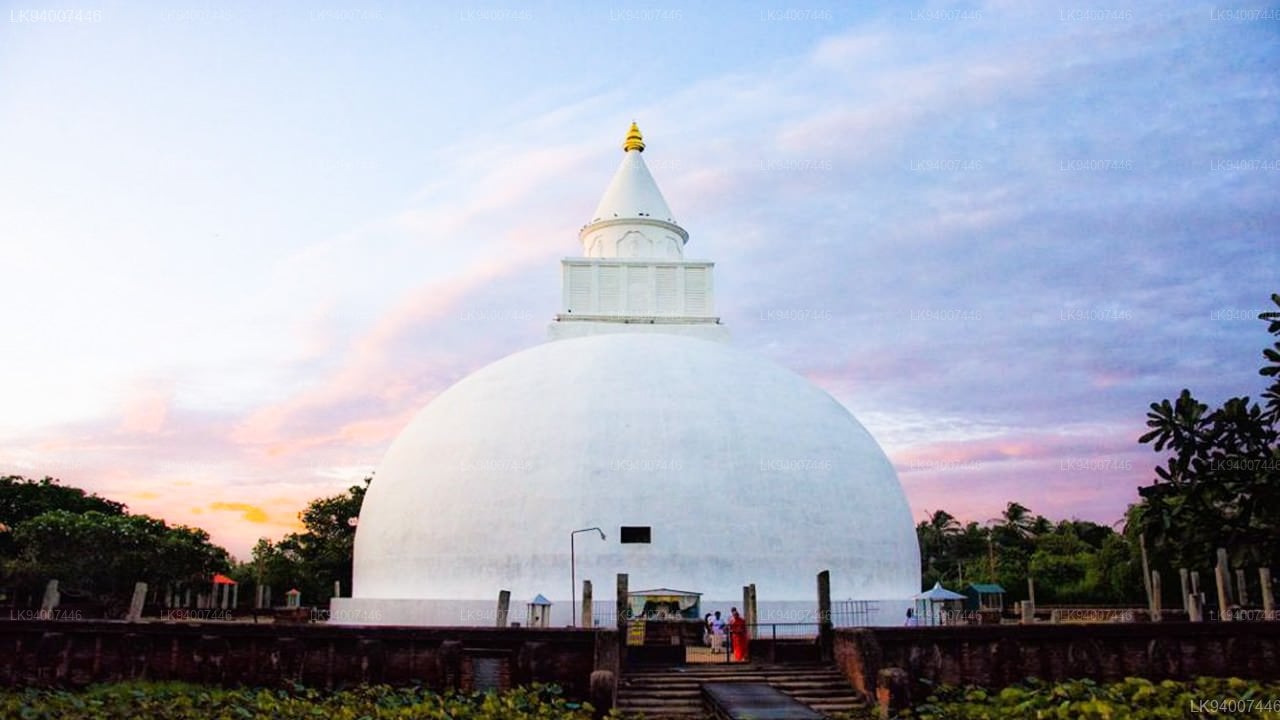
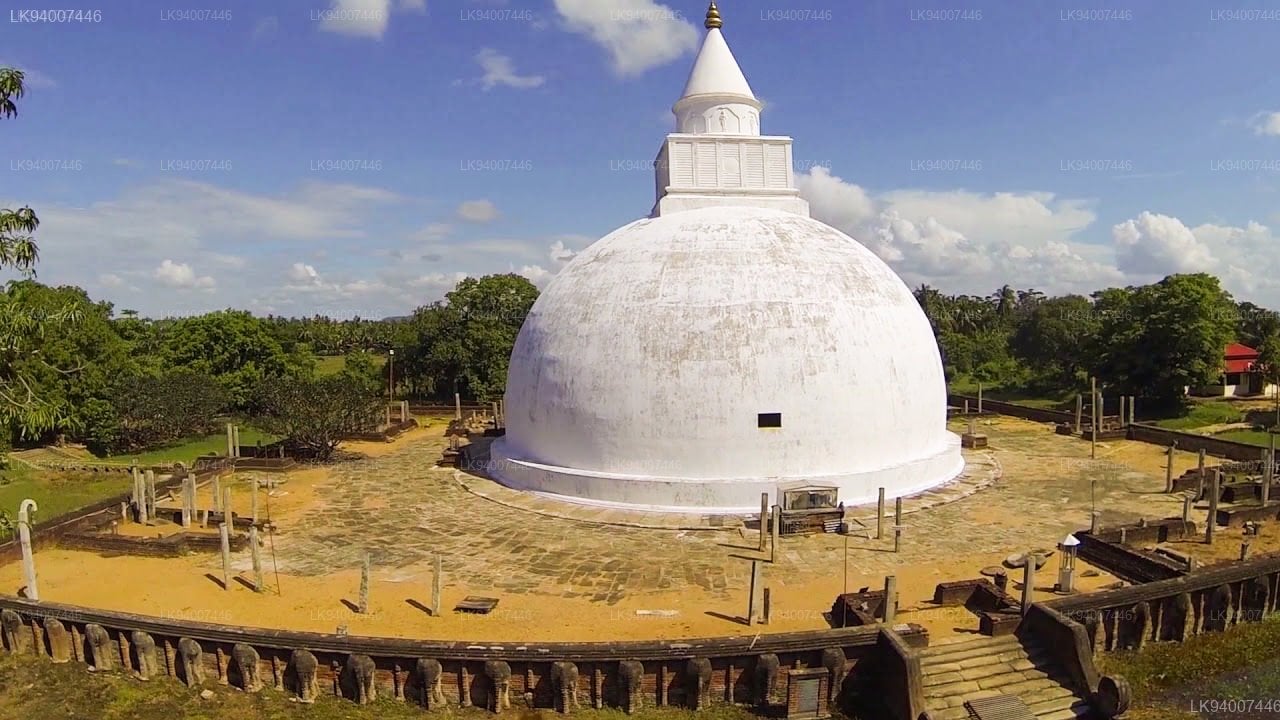
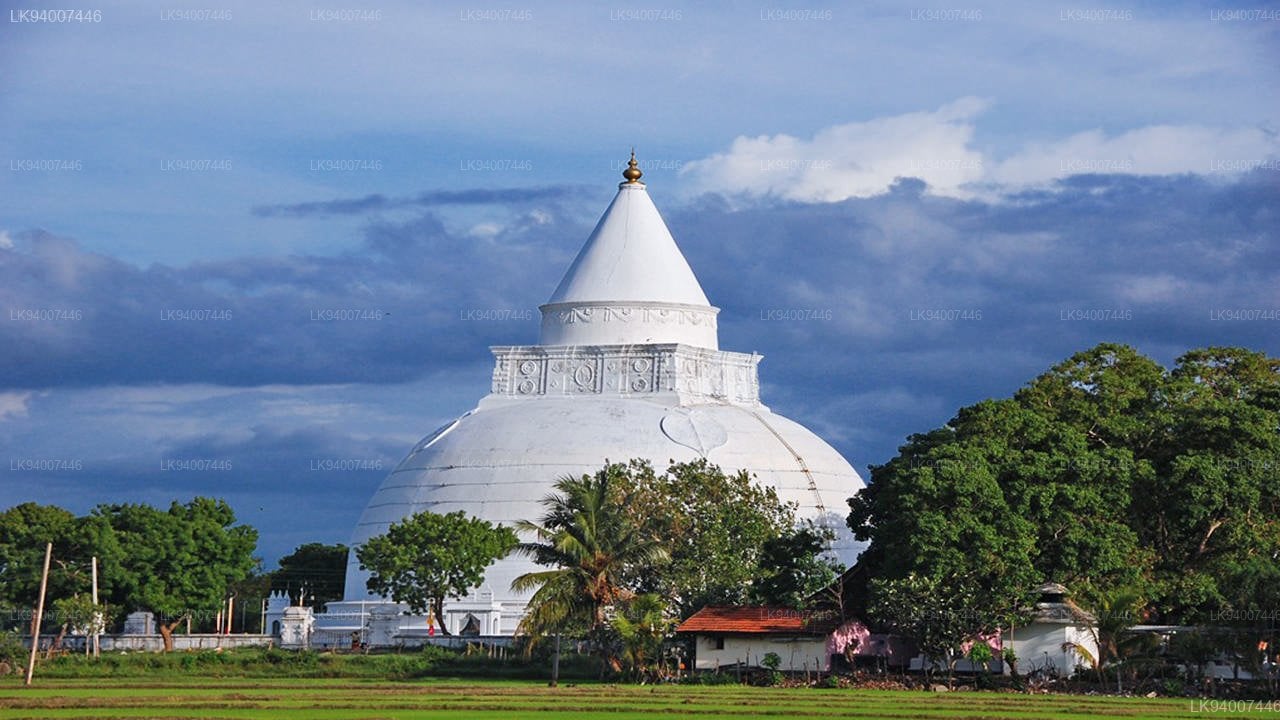
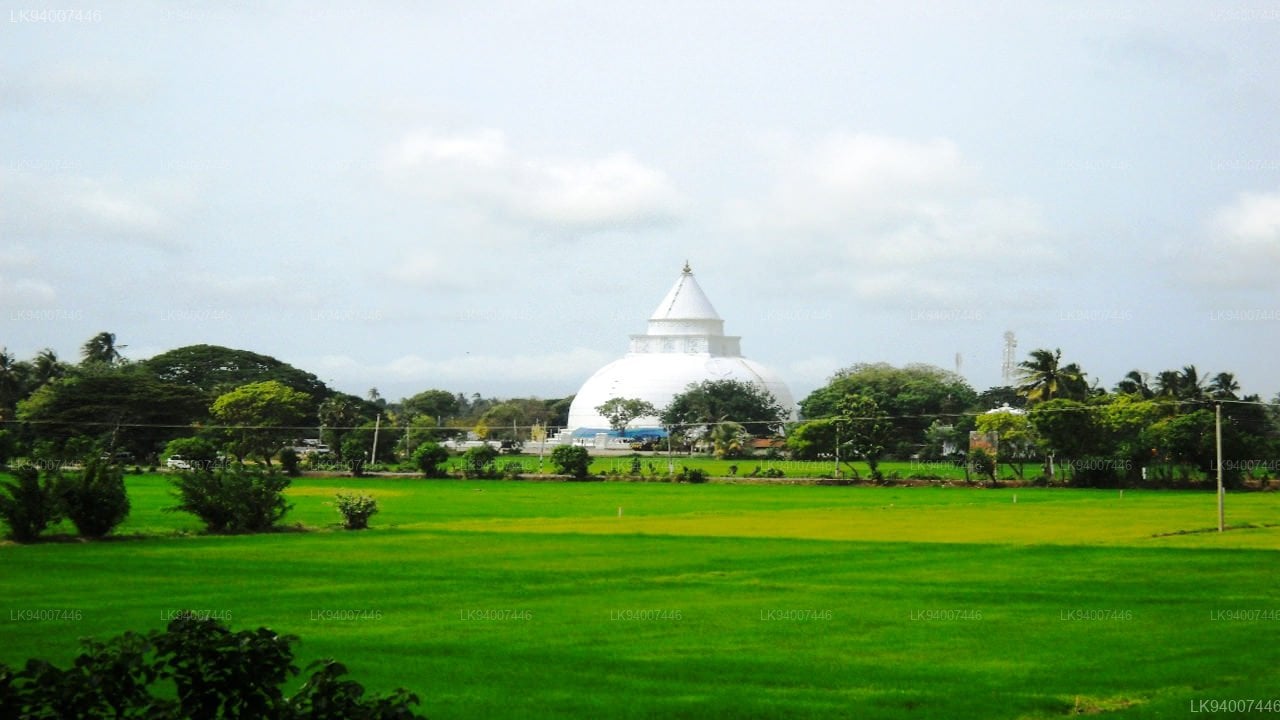
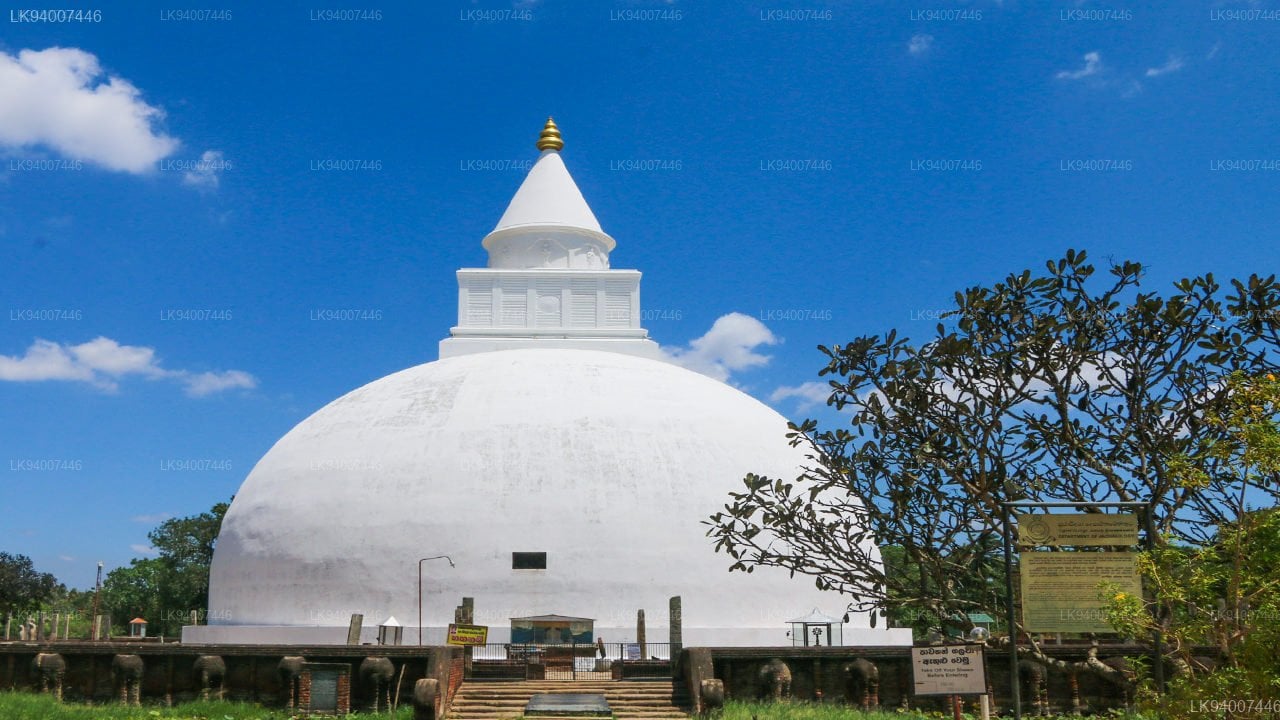
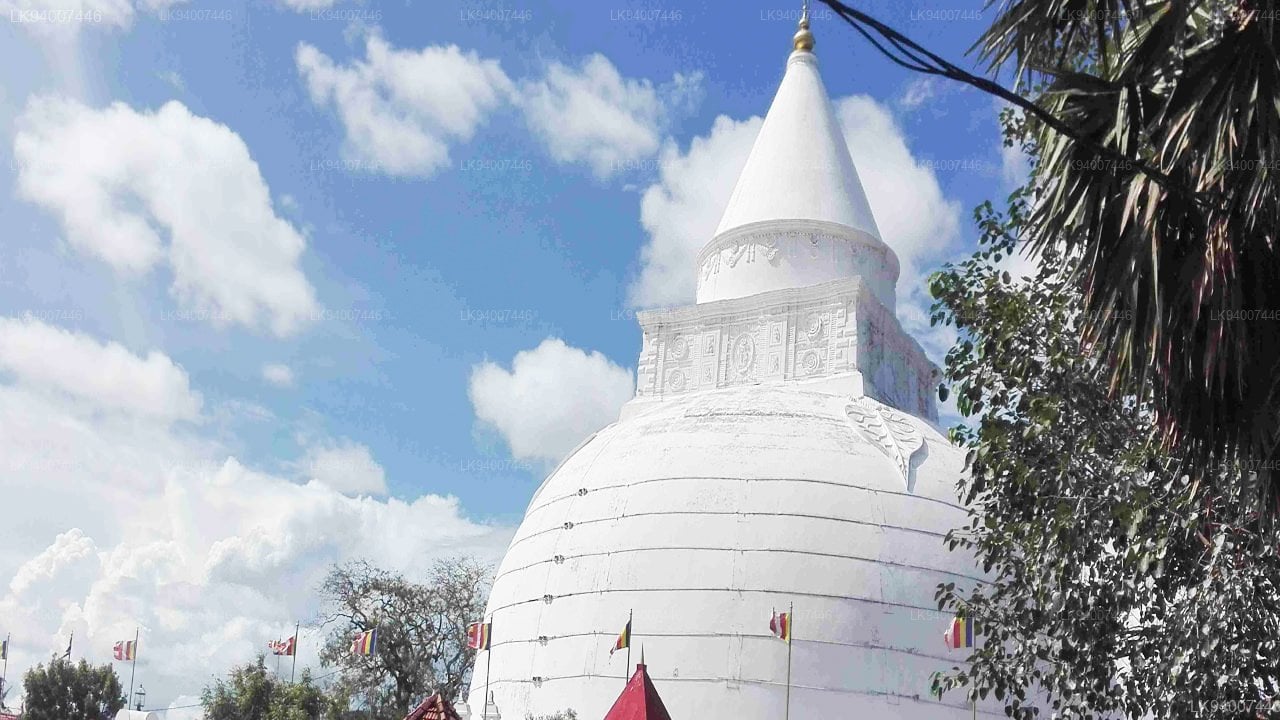
Yatala Vehera is an ancient Buddhist stupa dating back to the 3rd Century B.C, located in Deberawewa - Thissamaharama in Hambantota District of Sri Lanka. The stupa is built on a stage made of large flat granite stones and has a surrounding wall of sculpted elephant heads, a moat and a large moonstone. It is believed that the stupa was built 2300 years ago by regional king Yatala Thissa of Ruhuna to commemorate the place where he was born. However some believe that the stupa was built by regional king Mahanaga, father of Yatala Thissa to mark the birth of his son.

In various historical documents and chronicles, this stupa has been also referred as Mani Chethiya and Yattalaya. It is not known what was enshrined in this stupa but a large number of relic caskets has been discovered in the stupa. It is believed that this stupa was offered to Arhant Arittha Thero, who was the first Sinhalese arhant, by the regional king of Ruhuna. This stupa is also believed to be the first stupa built in the kingdom of Ruhuna. The restoration work of the Yatala dagaba commenced in 1883 AD and It took over a century to complete the restoration. A small opening has been left in the renovated stupa to observe the different phases of construction.

Yatala Vehera is believed to be built by regional king Mahanaga in the 3rd century BC on the grounds which his queen delivered a son. This stupa has been identified as Mani Chethiya and Yattalaya in various historical documents and as Dalada Dagoba in some inscriptions found at the site.
Yatala Vehera Yatala Vehera Yatala Vehera

?LK94007446: Text by Lakpura™. Images by Google, copyright(s) reserved by original authors.?

À propos du district de Hambantota

Hambantota est une ville rurale située sur la côte sud-est du Sri Lanka. C'est également la capitale du district de Hambantota, dans la province du Sud du Sri Lanka. Située à environ 240 km de Colombo, Hambantota est en pleine transformation pour devenir un port stratégique et un centre commercial, bénéficiant d'un important développement d'infrastructures. Bordée de vastes plages de sable fin, Hambantota est un emplacement idéal pour visiter les sites touristiques environnants.

Le parc national de Bundala se trouve à 20 km à l'est de Hambantota et le sanctuaire de Weerawila un peu plus loin. Le parc national de Ruhuna et le temple de Kataragama sont d'autres attractions facilement accessibles depuis cette ville.

À propos de la province du Sud

La province du Sud du Sri Lanka est une petite zone géographique composée des districts de Galle, Matara et Hambantota. L'agriculture de subsistance et la pêche constituent les principales sources de revenus de la grande majorité des habitants de cette région.

Les sites importants de la province du Sud comprennent les sanctuaires fauniques des parcs nationaux de Yala et d'Udawalawe, la ville sainte de Kataragama et les anciennes cités de Tissamaharama, Kirinda et Galle. (Bien que Galle soit une ville ancienne, presque rien ne subsiste d'avant l'invasion portugaise.) Pendant la période portugaise, deux célèbres poètes cinghalais, Andare, originaire de Dickwella, et Gajaman Nona, originaire de Denipitiya, dans le district de Matara, composaient des poèmes sur l'homme ordinaire.

1 de 4