

Aristolochia ringens
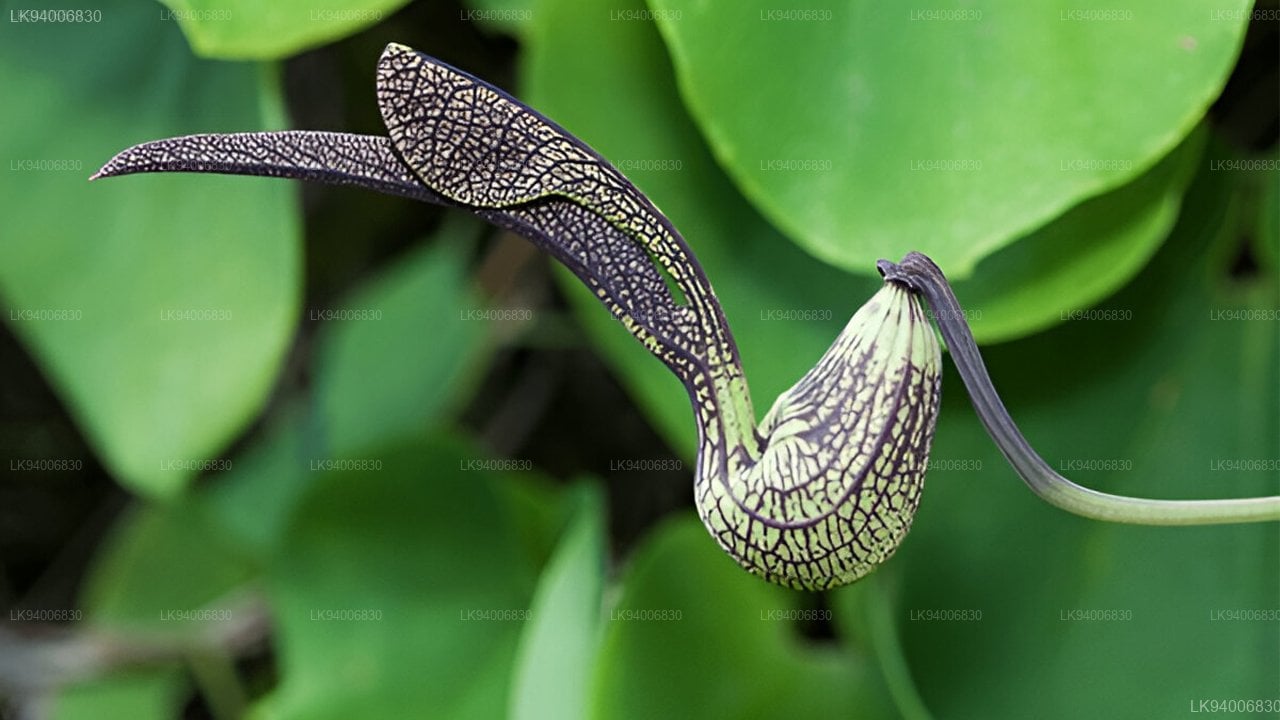
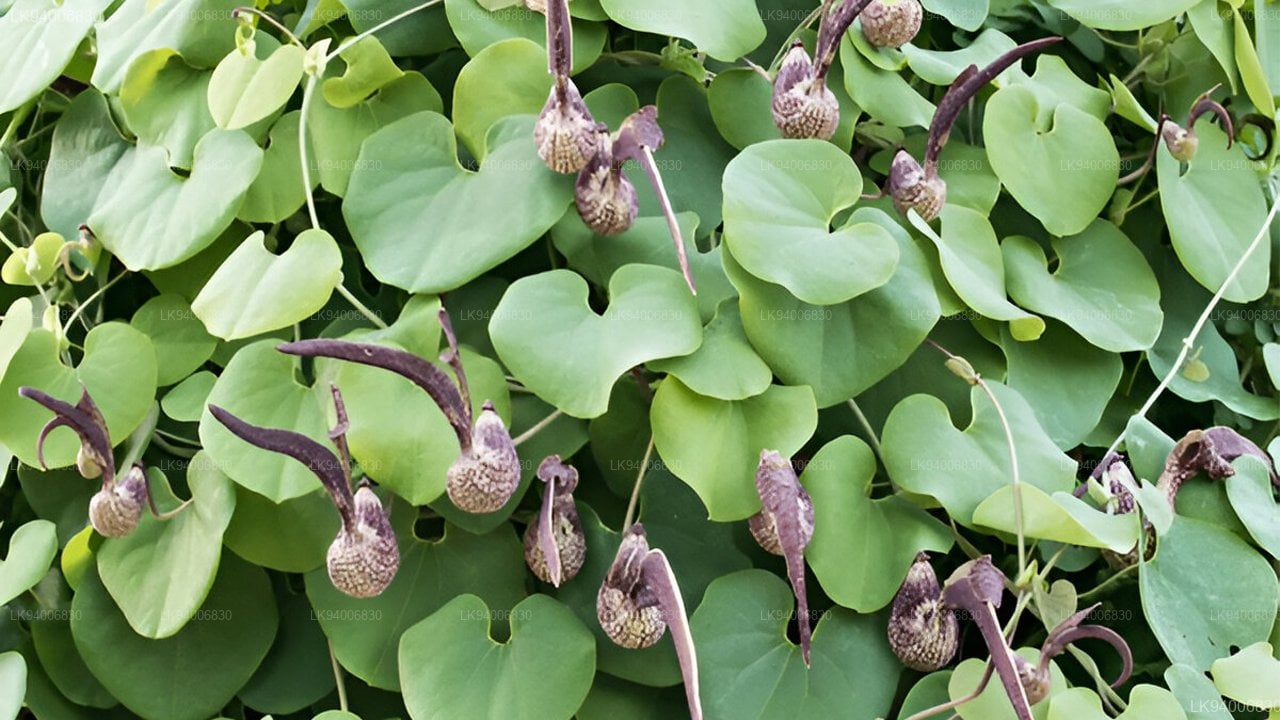
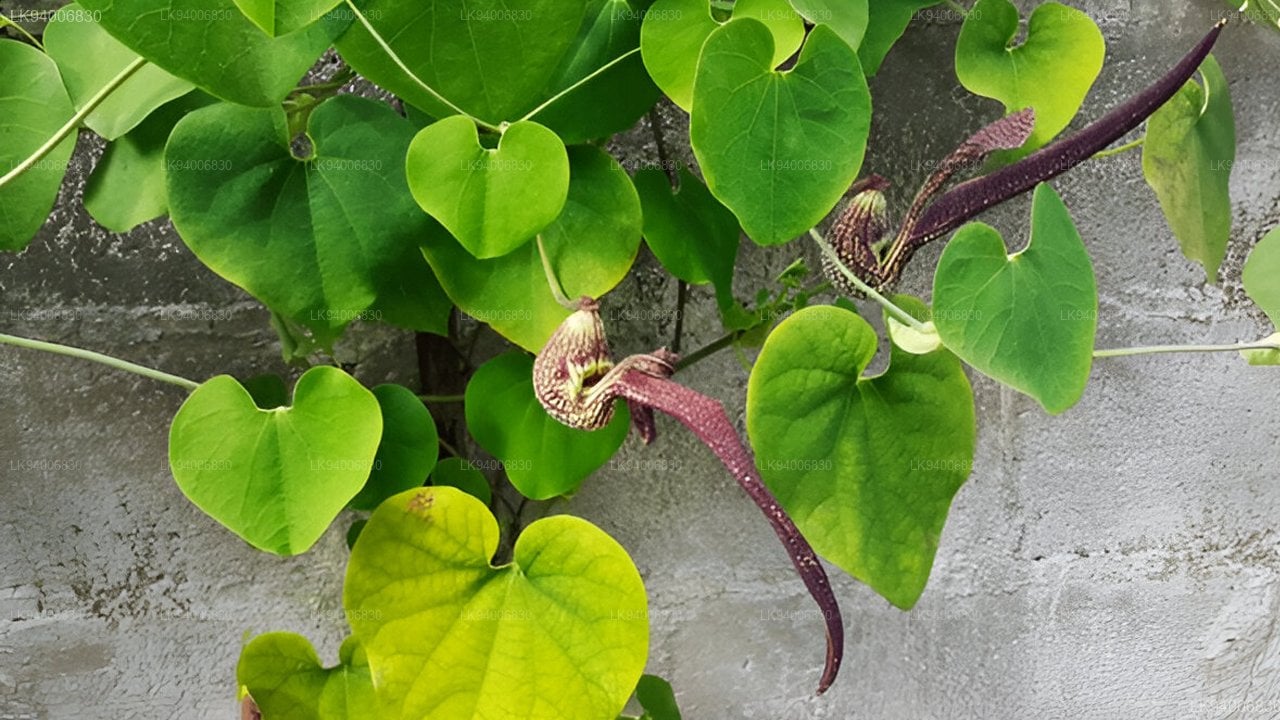
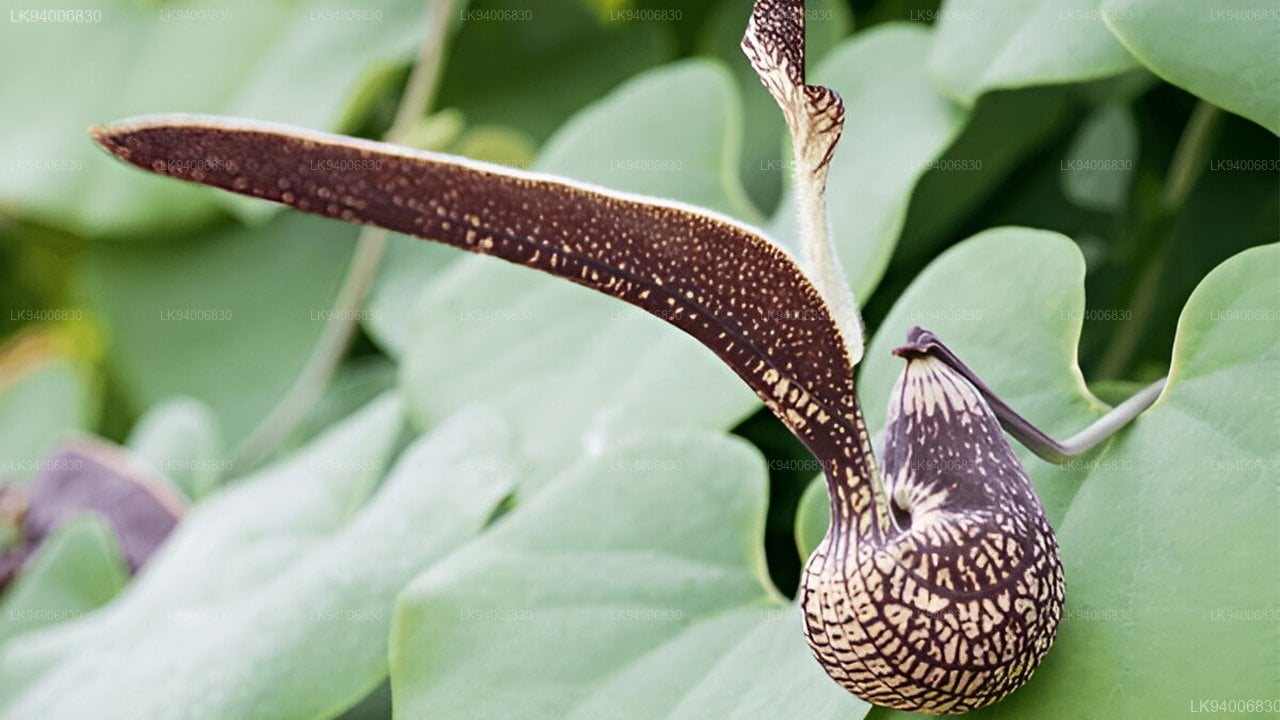
Aristolochia ringens, commonly known as Gaping Dutchman's Pipe, is a fast-growing, evergreen vine native to tropical regions of Central and South America. It is recognized for its large, uniquely shaped flowers that resemble a gaping mouth or pipe, typically measuring between 15 to 25 centimeters in length. The flowers are pale green with deep purple markings and emit a strong scent that attracts pollinators, particularly flies. The plant's lush, heart-shaped leaves and striking blossoms make it a popular ornamental choice for trellises and garden fences.
Traditionally, various parts of Aristolochia ringens have been used in folk medicine across different cultures. In parts of Africa and South America, the roots have been utilized to treat ailments such as snakebites, fevers, ulcers, and colic. Additionally, the plant has been employed for its purported anti-inflammatory and antidiabetic properties. However, these traditional uses are based on anecdotal evidence, and scientific validation is limited.
It is important to note that Aristolochia ringens contains aristolochic acid, a compound known for its nephrotoxic and carcinogenic effects. Consumption of products containing this acid has been linked to kidney damage and an increased risk of certain cancers. Consequently, the use of Aristolochia species in herbal remedies has been restricted or banned in several countries to ensure public safety.
Due to its invasive nature, Aristolochia ringens can spread rapidly in suitable climates, potentially outcompeting native vegetation. Gardeners cultivating this vine should monitor its growth to prevent unintended ecological impacts. While its ornamental appeal is undeniable, caution is advised regarding its medicinal use due to associated health risks.
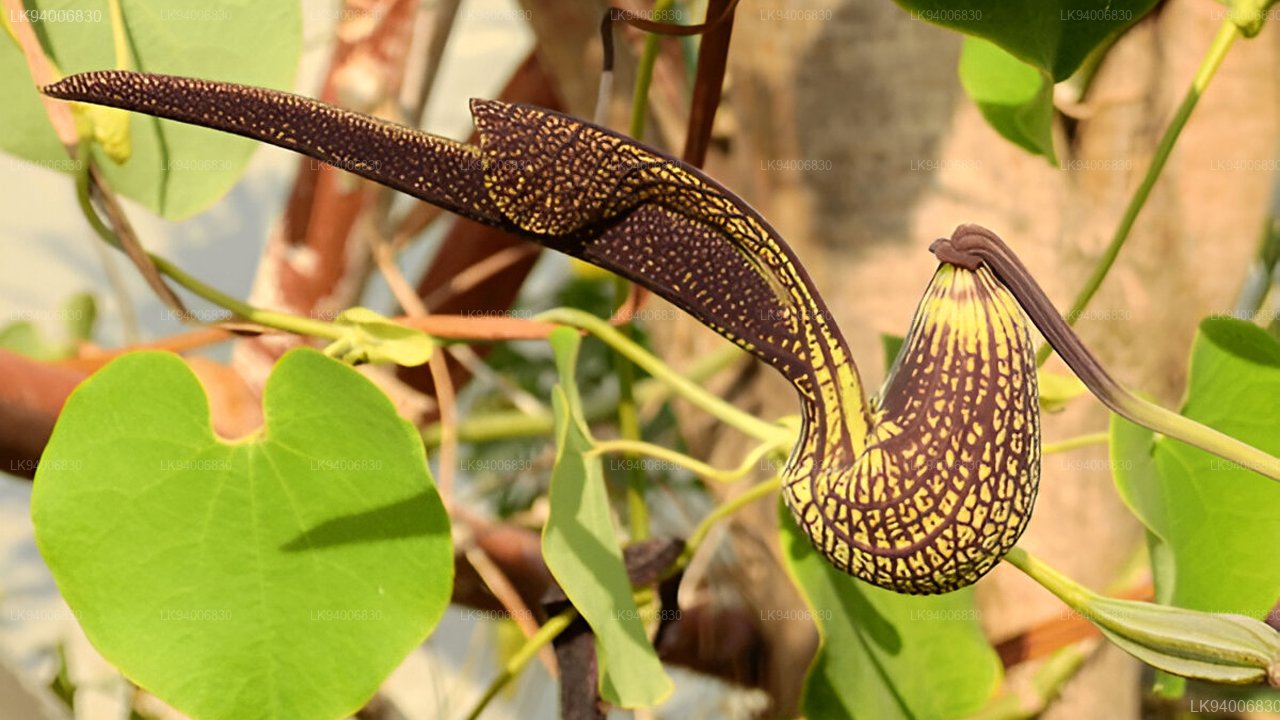
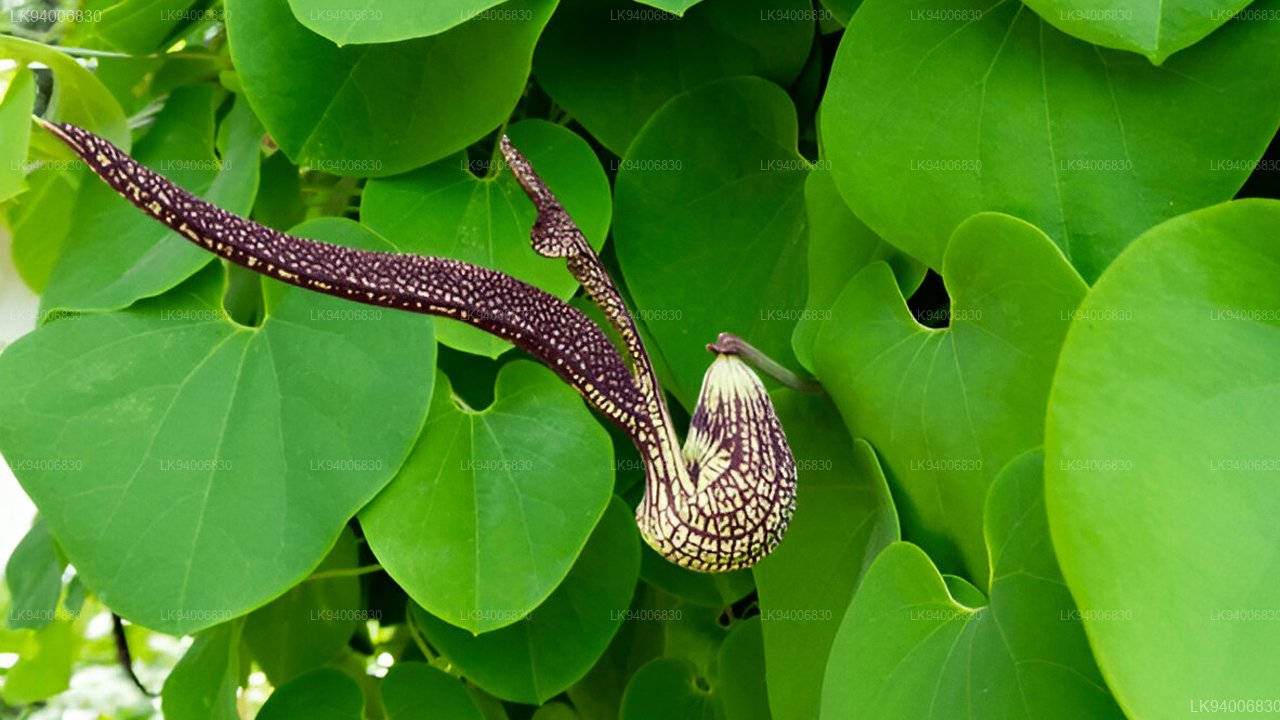
-

Laurier à fleurs en forme de griffe
Acronychia pedunculata -

Bael
Aegle marmelos -

Arbre de Leichhardt
Nauclea orientalis -

Faux Calumba
Coscinium fenestratum -

Gouffre de Malabar
Tinospora malabarica -

Titberry
Allophylus cobbe -

Arbre de fer
Memecylon capitellatum -

Feuille de velours
Cissampelos pareira -

Orange amère
Citrus aurantium -

Arbre de Reinwardt
Biophytun retour vers l'intérieur -

Thé du Fujian
Carmona microphylla -

tamarin de Malabar
Garcinia cambogia -

arbre à feuilles de curry
Murraya Koenigii -

Kappetiya
Croton laccifer -

lilas indien
Azadirachta indica -

Sida épineux
Sida alba -

grimpant orange
Toddlia asiatica -

Cannelle de Ceylan
Cinnamomum zeylanicum -

jacquier
Artocarpus heterophyllus -

Karonda
Carissa Carandas -

cerise espagnole
Mimusops elengi -

groseille indienne
Phyltanthus emblica -

palmier à bétel
Areca catechu -

géranium de la jungle
Ixora coccinea -

Alangium à feuilles de sauge
Alangium salviifolium -

Champak
Michelia champaca -

Tamarin
Tamarindus indica -

Faux poivre noir
Côtes d'Embelia -

Limeberry
Micromelum ceylanicum -

Climbing Atalantia
Paramignya monophylla


Ayurvédique et à base de plantes
-
Baume ayurvédique aux herbes Siddhalepa
Prix habituel À partir de €0,95 EURPrix habituel -
Link Swastha Thriphala (30 comprimés)
Prix habituel À partir de €1,95 EURPrix habituel -
Feuilles entières déshydratées de corossol sauvage Lakpura® (Guanabana, Graviola, Guyabano)
Prix habituel À partir de €0,95 EURPrix habituel -
Huile Setsuwa Pranajeeva
Prix habituel À partir de €2,95 EURPrix habituel


