

Rhizophora mucronata
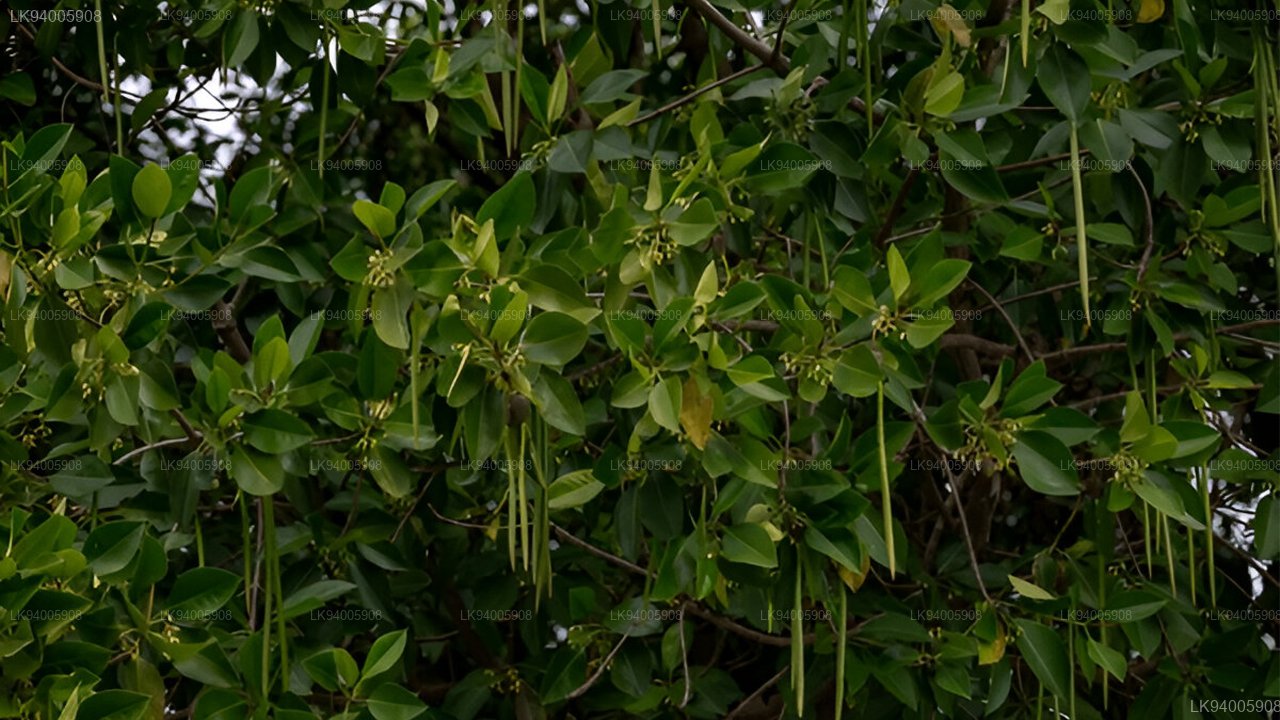
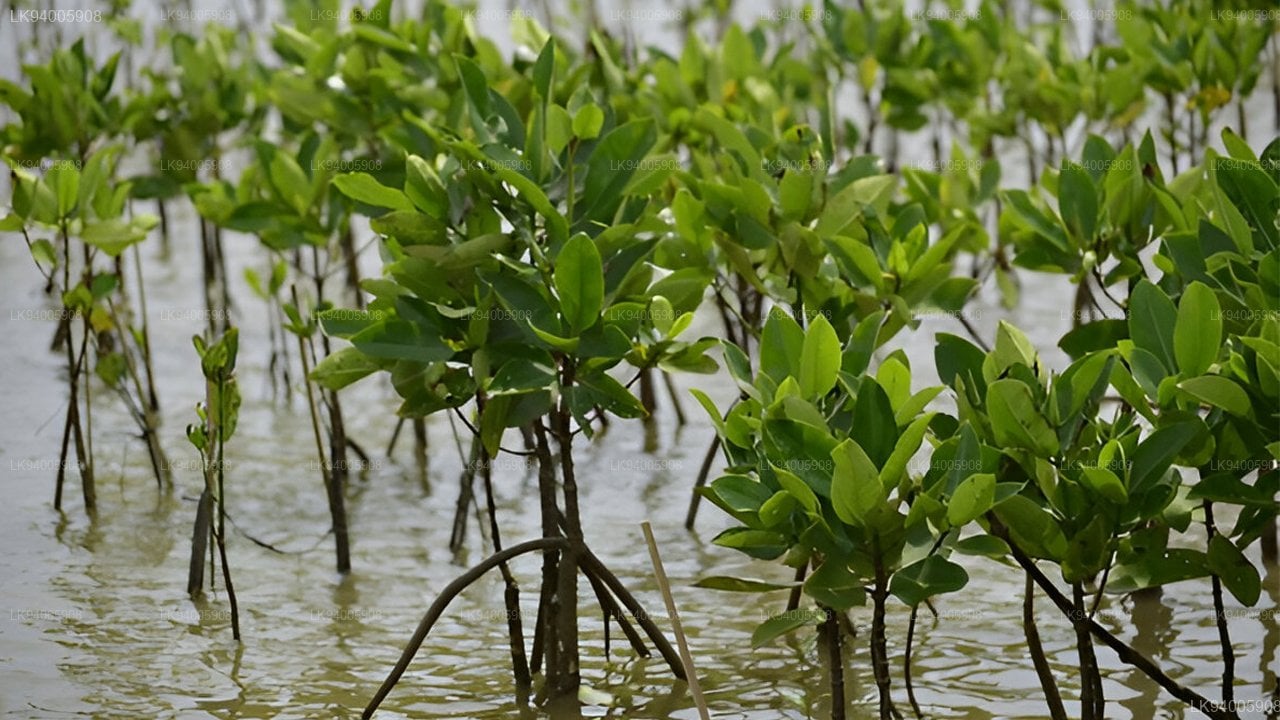

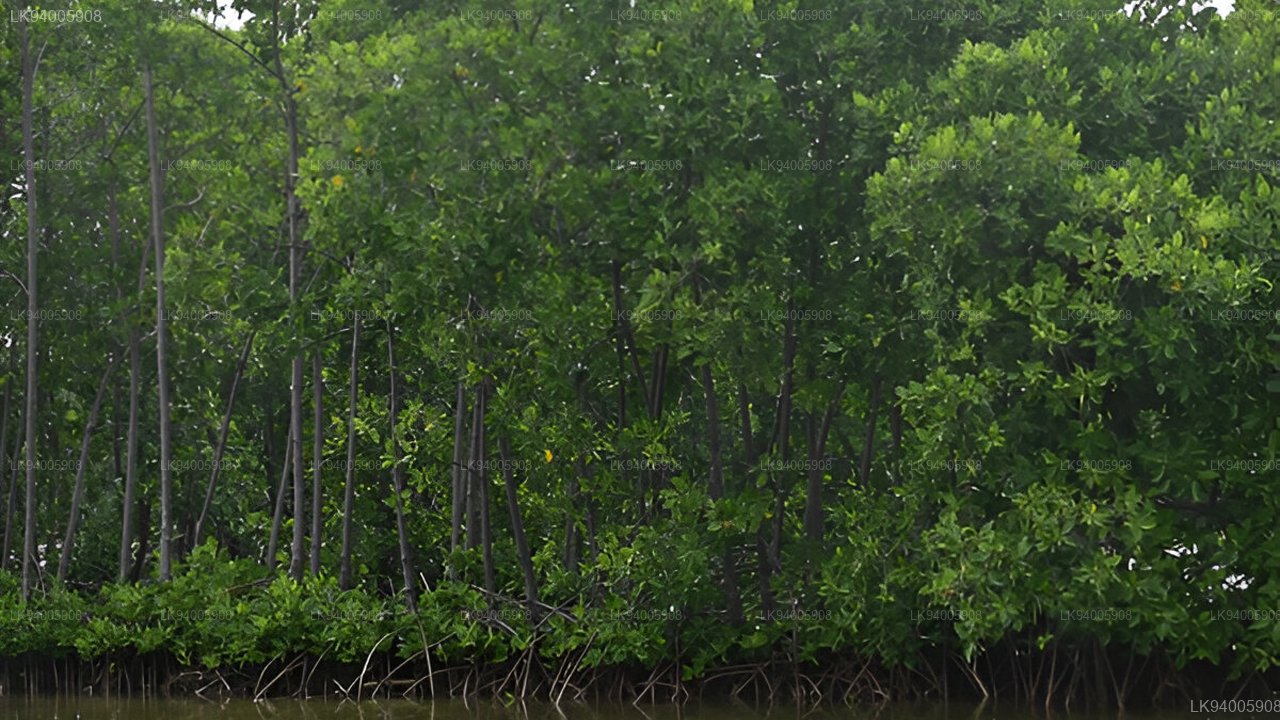
Rhizophora mucronata, commonly known as the loop-root mangrove, is a vital mangrove species found along the coastal and estuarine areas of Sri Lanka. This species plays a crucial ecological role in stabilizing shorelines, preventing erosion, and providing habitat for a variety of aquatic and terrestrial species. It is predominantly found in the mangrove forests of the island's northwestern, eastern, and southern coasts, including areas such as Chilaw, Puttalam, Batticaloa, and Rekawa. Its presence contributes to the resilience of coastal ecosystems against extreme weather events such as cyclones and tsunamis.
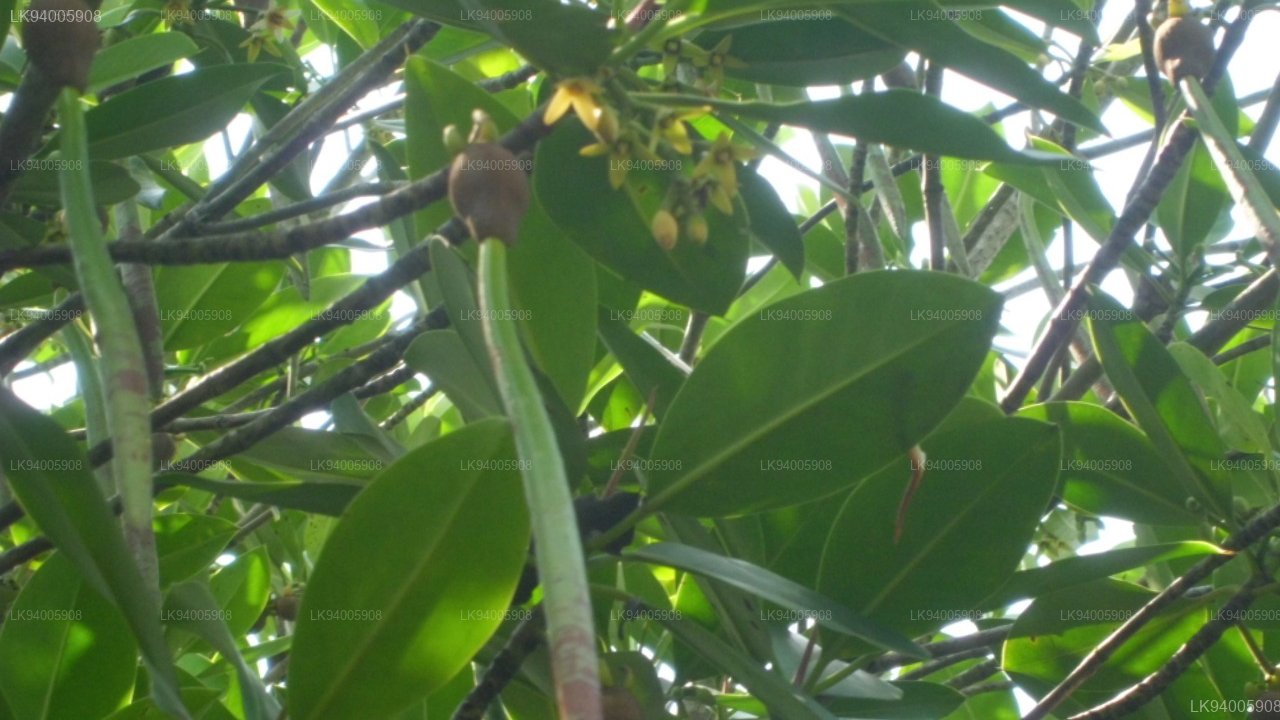
In Sri Lanka, Rhizophora mucronata is easily recognized by its characteristic stilt roots, which elevate the trunk above the soil and provide a unique structural adaptation to the waterlogged, saline conditions of mangrove habitats. These roots also trap sediments, improving water clarity and promoting the growth of other mangrove-associated flora and fauna. The tree can grow up to 20–25 meters tall, with dark green glossy leaves and elongated propagules (seedlings) that help it colonize new areas effectively.
From a socio-economic perspective, Rhizophora mucronata has been traditionally used by coastal communities in Sri Lanka for timber, fuelwood, and even as a source of tannins. However, overexploitation and coastal development have led to the degradation of many mangrove areas. Recognizing its importance, there are ongoing conservation and reforestation efforts led by government bodies, NGOs, and local communities to restore Rhizophora mucronata populations. These initiatives not only help restore biodiversity but also support climate change mitigation by enhancing blue carbon storage along Sri Lanka’s coastlines.

-

Laurier à fleurs en forme de griffe
Acronychia pedunculata -

Bael
Aegle marmelos -

Arbre de Leichhardt
Nauclea orientalis -

Faux Calumba
Coscinium fenestratum -

Gouffre de Malabar
Tinospora malabarica -

Titberry
Allophylus cobbe -

Arbre de fer
Memecylon capitellatum -

Feuille de velours
Cissampelos pareira -

Orange amère
Citrus aurantium -

Arbre de Reinwardt
Biophytun retour vers l'intérieur -

Thé du Fujian
Carmona microphylla -

tamarin de Malabar
Garcinia cambogia -

arbre à feuilles de curry
Murraya Koenigii -

Kappetiya
Croton laccifer -

lilas indien
Azadirachta indica -

Sida épineux
Sida alba -

grimpant orange
Toddlia asiatica -

Cannelle de Ceylan
Cinnamomum zeylanicum -

jacquier
Artocarpus heterophyllus -

Karonda
Carissa Carandas -

cerise espagnole
Mimusops elengi -

groseille indienne
Phyltanthus emblica -

palmier à bétel
Areca catechu -

géranium de la jungle
Ixora coccinea -

Alangium à feuilles de sauge
Alangium salviifolium -

Champak
Michelia champaca -

Tamarin
Tamarindus indica -

Faux poivre noir
Côtes d'Embelia -

Limeberry
Micromelum ceylanicum -

Climbing Atalantia
Paramignya monophylla


Ayurvédique et à base de plantes
-
Baume ayurvédique aux herbes Siddhalepa
Prix habituel À partir de €0,95 EURPrix habituel -
Link Swastha Thriphala (30 comprimés)
Prix habituel À partir de €1,95 EURPrix habituel -
Feuilles entières déshydratées de corossol sauvage Lakpura® (Guanabana, Graviola, Guyabano)
Prix habituel À partir de €0,95 EURPrix habituel -
Huile Setsuwa Pranajeeva
Prix habituel À partir de €2,95 EURPrix habituel


